When I started flying, the affordable flight school in Europe misconceptions around pilot training really felt thick adequate to float a little Cessna. Every person has an opinion regarding what it takes to become a pilot, from the person at the fixed-base driver who vouches you require best mathematics qualities to the social media sites blog post that claims flight school is a limitless conveyor belt of costly mistakes. The fact is messier, more useful, and in some cases kinder than the misconceptions would certainly have you believe. This piece is about cutting through the noise with real-world understanding, concentrating on what actually matters when you start the path to end up being a pilot.
The very first thing to acknowledge is that pilot training is not a single ability but a compound of aptitude, regimented research study, careful method, and the ideal kind of mentorship. It's a process that awards constant effort greater than significant overnight developments. You do not require to be a best student to become a pilot; you need to be an intentional one. You do not need to have flown a thousand hours before you start training, but you do require a clear strategy, a sane budget plan, and a readiness to readjust in the process when what you believed would function doesn't.
What complies with is a practical map of one of the most persistent myths you'll hear, and how they stand up against the truths I've seen in air programs, training spaces, and the confined bays of little trip colleges where instruction often tends to be more hands-on and human.
Myth one: You must be a mathematics whiz to come to be a pilot
The myth paints pilots as walking slide guidelines. In reality, flying leans on mathematics, but not in the abstract, classroom feeling. You'll do a great deal of arithmetic in the cabin, particularly when loading weight and equilibrium, calculating fuel melt, or figuring fuel minimums for an offered leg. However you do not need to fix differential formulas on the fly. You require to be comfortable with numbers, certain in your capacity to inspect work, and efficient in keeping situational recognition while you verify a few key calculations.
In practice, good training programs instruct you a practical math fluency. You learn to estimate gas demands by increasing shed prices by flight time and then including a barrier for holding, technique, and feasible delays. You learn to review a weight and balance sheet rapidly, spotting when a center of mass looks off after you add a guest or cargo. You develop a routine of cross-checking, not a behavior of frantic calculation in the moment of crucial decisions.
I have actually seen pupils with strong verbal skills and solid job principles outshine those who could state the Pythagorean theory in their sleep but froze when a fuel tip light flickered on during a climb. The difference isn't raw math talent; it's convenience with numbers in context, coupled with a steady, methodical strategy to cabin tasks. If math isn't your toughest match, that's not an achilles' heel. It's a signal to exercise the sort of computations you'll in fact require, in the exact series you'll use them, till they come to be second nature.
Myth 2: Flight school is all about solo flying and solo hours
This one appears romantic, and in the very early days it can feel that way. The dream of solo trip is a milestone, not a metric of supreme success. The reality of training is a structured progression that scaffolds skills with guidance from a range of teachers, simulators, and monitored trips. The very best programs don't push you toward solo time as a badge of honor; they push you towards freedom with a safety and security net.
The focus need to get on decision making, crew resource monitoring, and the capability to adapt when the climate turns or a radio telephone call goes sideways. You'll exercise cross-country planning, then you'll actually perform a cross-country with an instructor, then gradually reduce the level of direct oversight as you show you can manage it. This is where the misconception liquifies right into functional wisdom: solo time is a purposeful milestone, yet it's not the single component of readiness.
I bear in mind a student who logged a significant number of hours beforehand, largely under the careful eye of his teacher team. He found out to review climate patterns, file flight plans, and handle risk, even when the ceiling was reduced and the winds were gusty. By the time he took his initial solo cross-country, the worry had been changed by a consistent rhythm of planning, performing, and recovering. The hours weren't lost; they were a deliberate sluggish melt toward qualified independence.
Myth 3: You have to be young to come to be a pilot
A youthful myth, one that leans on the picture of energised cadets dashing towards the control yoke. Age matters much less than health and wellness, emphasis, and cognitive adaptability. The air travel world incentives ongoing knowing, not simply speed of learning. A skilled pupil can often absorb step-by-step memory more quickly, bear in mind to check the climate with a practiced eye, and browse the nontechnical elements of training-- like fatigue monitoring and timetable discipline-- with a maturation that's invaluable.
That claimed, early beginnings can offer advantages: less general life interruption, longer path for development, and an all-natural acclimation to the flight training regimen. But the core barrier is not age; it's the capacity to commit, to maintain a timetable, to turn up when it matters, and to take in comments. The sector is broader now than ever, with programs that tailor pacing to trainees' way of lives, trade routes that require different pacing, and a growing recognition that varied histories enhance the cockpit.
I have actually seen classmates who began after occupation changes, mid-career experts who utilized trip training as a way to extend their problem-solving muscular tissues, and veterans that brought a useful routine of accurate interaction to their trainers. Every one of them showed that the misconception of a needed young people is simply that-- a stereotype that's significantly outdated.
Myth 4: Flight school costs will certainly bankrupt you before you reach the very first solo
Money discussions are unavoidable. The sticker price on training can look challenging, however the narrative of personal bankruptcy is mainly a result of bad preparation or misaligned expectations. Flight school is not economical; it's additionally not a lottery ticket. The smarter strategy is to break down the price into systems you can really control: trip time, trainer hours, aircraft leasing, medical and test fees, study products, and a practical barrier for climate delays.
Two functional realities stand out. First, the price per hour can vary widely between schools, aircraft kinds, and regions. A similar training track can be cheaper at an institution with a higher aircraft utilization rate and more recent simulators, or extra expensive at a shop clothing with specialty airplane and customized coaching. Second, the greatest cost control lever is setting up self-control. If you can constantly fly during beneficial climate windows, publication time effectively, and stay clear of duplicated weather holds, you lower overall calendar time and the cash linked to it.
I've observed students that treated the process like a work, setting schedules ahead of time, reserving blocks of lessons, and executing their very own tempo checks in between sessions. They developed a predictable rhythm, which translated right into a more foreseeable cost. Others treated training as a collection of weekend breaks occasionally, chasing the next "perfect weather condition day" and enjoying costs creep up as hold-ups accumulated. The difference wasn't the number of lessons they took, however their preparation around them.
Myth five: You need perfect weather condition to find out to fly well
Weather is the ultimate truth-teller in aviation. It decides whether you go, what you can do when you get there, and just how much risk you have to endure. The misconception indicates that only perfect skies generate capable pilots, when as a matter of fact excellent training flourishes on controlled variability. You discover to manage risk in actual time, to plan around weather condition home windows, and to adapt to restrictions with clear choice making.
A solid program will certainly incorporate simulator time alongside real-world flying to subject you to problems you're unlikely to come across by coincidence. That equilibrium issues. If you can fly when problems are outstanding, you should. If you can not, you still need to learn exactly how to fly securely under alternate circumstances, just how to check out weather condition advisories, how to utilize radar or satellite images when available, and how to make the telephone call to land short or divert if your risk tolerance and the airplane's performance straighten in a certain way.
One vibrant memory originates from a wintertime cross-country where the projection looked marginal at the start and then generated a solid tailwind you hadn't expected. The training group aided the trainee use a traditional decision-making framework: not to go after a routine, but to chase a risk-free result. The result was not a heroically finished flight, however a successful, secure return with the discovering intact. That is actual progress-- the kind you carry into every later leg of your career.
A note on the "perfect trainer issues most" impulse
Many pilots lug a predisposition concerning the single best teacher that made their path. The fact is a lot more nuanced. A fantastic instructor can open doors, yet the best growth frequently comes from the pupil's very own practices. The vibrant you want is a pairing: a mentor that challenges you without crushing you, that supplies prompt feedback and clear metrics for success, and an atmosphere that urges concerns, curiosity, and a constant face in the room when you stumble.
If you locate an excellent fit, you should hold on to that pairing. If you don't, keep looking. The best match does more for your understanding contour than any kind of enchanting, one-size-fits-all method.
What to seek in a flight school that in fact assists you end up being a pilot
The ideal institution feels much less like a manufacturing facility and even more like a method gym for your aviation future. You want a location with transparent prices, sensible scheduling expectations, and trainers who clarify not just exactly how to do something, yet why we do it in this way. You want an educational program that builds core proficiencies in a rational sequence-- flight maneuvers, navigating, communication, decision production, and emergency situation procedures-- without rushing you toward the following landmark prior to your confidence is solid.
You also desire accessibility to various knowing techniques. An excellent program mixes outside-the-cockpit study with in-cockpit practice. A fully equipped fleet issues, but so does the availability of simulators, debrief areas, and a culture that deals with security as a non-negotiable baseline as opposed to a optional add-on. And you want an institution that understands your life outside the airplane-- your work routine, your family commitments, and your budget-- and assists you chart a strategy that maintains your head over water while you learn.
Two portable guides to remember during your search
- Ask for transparency on all charges. Get a clear line thing for airplane service, trainer time, ground college, medicals, test costs, and any kind of overtime costs. Ask just how weather delays are taken care of and whether you can rebook without penalty. Look for an organized development with foreseeable milestones. A good program should show you a path from personal pilot concept to sensible flight skills, with a recorded syllabus and lists for every phase.
A note on the usefulness that don't get talked about enough
There are small, useful facts that shape your experience greater than you 'd anticipate. The convenience of your seat, the fit of your headset, and the ergonomics of your cockpit arrangement all influence just how smoothly training goes. The very best programs encourage you to customize the avionics and seat configuration to your own body, since convenience equates to better emphasis. You'll also uncover that the cadence of direction matters: regular, shorter sessions over erratic lengthy marathons tends to yield better retention and less fatigue.
Another truth is the role of simulators. When the weather condition is poor, a well-run college will certainly lean on qualified simulators to protect your understanding energy. The simulator is not simply a substitute for trip time; it's a controlled setting where you can stress-test procedures, technique abnormal circumstances, and practice interaction with air web traffic controllers and team participants without transforming a flight right into a high-stakes gamble.
But the human aspect stays central. A client instructor that explains mistakes in a tranquility, accurate method can turn a rough lesson into a turning point. An encouraging peer accomplice can give a social scaffolding that maintains you encouraged via lengthy stretches of nav calculations and pattern job. The aviation trip is as much about developing a professional attitude as it is about understanding stick and rudder.
Concrete photos from genuine training rooms
I've seen 2 students progress along different lines and reach comparable locations with various paths. One student gravitated toward a tech-forward program that incorporated trip preparation software, remote climate instruction devices, and a monthly progress evaluation with a lead trainer. The other preferred an extra standard strategy with day-to-day in-person ground school, a solid focus on radio strategy, and a slower yet consistent build in cross-country experience.
In both cases, the outcome was skills, confidence, and the kind of focus that converts to safe, repeatable flight outcomes. The initial trainee discovered worth in the capability to exercise decisions in a simulated atmosphere throughout winter season evenings. The second pupil constructed a sense of rhythm by flying much shorter jumps frequently, which allowed them to refine navigation skills and calibrate gas planning in a functional, hands-on way.
A few mathematical supports you can make use of as you plan
- Private pilot training frequently runs in the 40 to 70 flight hour variety prior to solo trips are achieved, depending upon the trainee and the program, with cross-country hours varying even more widely. A reasonable allocate a complete private pilot certificate in numerous areas commonly drops in the low five numbers, though you can maintain expenses lower with careful scheduling, bulk flight blocks, and mindful choice of aircraft and instructors. Instrument training, if that gets on your horizon, includes a layer of intricacy and price. Anticipate the baseline to climb, yet intend it as a meaningful stage rather than a different economic sprint. Medical accreditation is a nontrivial demand that can influence the pace of training. It deserves arranging the medical exam early in the process so it does not come to be a gating factor later. Weather-related delays are not if, but when. Build your plan with the assumption that you will fly less days than you desire in peak training weeks, and a lot more when the projection looks friendly.
The heart of the matter: what does it require to become a pilot, really?
The path isn't a straight line; it's a landscape with seasonal changes, roadway indications that indicate brand-new abilities, and periodic detours for climate, life, and the periodic airplane maintenance snafu. It's a discovering trip where consistent effort compounds in a manner that feels nearly mechanical at times, however the payback is deeply human: the capability to fly a maker with accuracy and responsibility, to review the skies as a language, and to get an EASA commercial license remain tranquil when things go sideways.
When people ask me for a simple summation, I tell them this: you do not become a pilot by chasing rumors concerning trip schools, neither by waiting for a best climate home window. You become a pilot by choosing a program that fits your life, spending the time and cash with intention, and staying with it with the unpreventable hiccups. You discover by turning up, paying attention carefully, and applying feedback in a manner that makes you far better following time.
As you check out college sales brochures and hear the whispered warnings of on-line discussion forums, bring questions that matter to you. Inquire about just how instructors are paired with students. Ask for a sample lesson plan that covers the very first 2 months. Ask for a weather schedule that demonstrates how commonly you can anticipate day of rests as a result of rain or wind. These aren't just inquiries about logistics; they're concerns about whether the college will be a steady companion in your growth.
The bigger image: transforming training right into a career, or a long-lasting passion
Some individuals train to a specialist standard, going for airline companies or business fleets. Others educate to enjoy leisure flying with a sense of mastery and persistence. Either path is valid, and both demand a core state of mind: safety first, curiosity always, and honesty concerning what you can and can not do at an offered minute. You'll require to find out to commemorate small success-- the clean touch-and-go after a stubborn crosswind, the specific strategy that lastly nails the landing, the moment you land and recognize you just saved a half hour by preparing smarter-- and you'll need to tolerate the periodic problem without allowing it thwart your lengthy view.
That viewpoint issues because aviation is an area, not a solitary craft. It's a field built on mentors, peers, and shared experiences. The smallest flight terminal where a student browses a radio phone call properly and lands without dramatization becomes a badge of capability. In time, you'll accumulate a set of instincts that few other tasks demand: a cautious equilibrium of risk and incentive, a capacity to forecast how a minor modification in weather condition will certainly ripple via the trip strategy, and an ethic that focuses on security most of all else.
A last note on misconceptions and the road ahead
Myth arriving pilot training isn't concerning refuting the attraction of flying or diluting the romance of the cockpit. It has to do with recognizing the genuine work that makes flying risk-free and delightful. It's about acknowledging the worth of a well-structured program, the importance of timing and budget plan discipline, and the fact that mastery comes not from a solitary advancement, however from consistent, thoughtful practice.
If you're at the begin of this journey, take a deep breath and map your restrictions: what you can afford, just how much time you can commit, and what your personal objectives are. Then look for a training setting that values those restrictions while using a clear course toward progression. You'll likely uncover that one of the most reputable misconceptions concerning pilot training aren't about the technical needs of aeronautics in any way, yet concerning the human elements that stand behind every secure launch, every smooth climb, and every accountable landing.
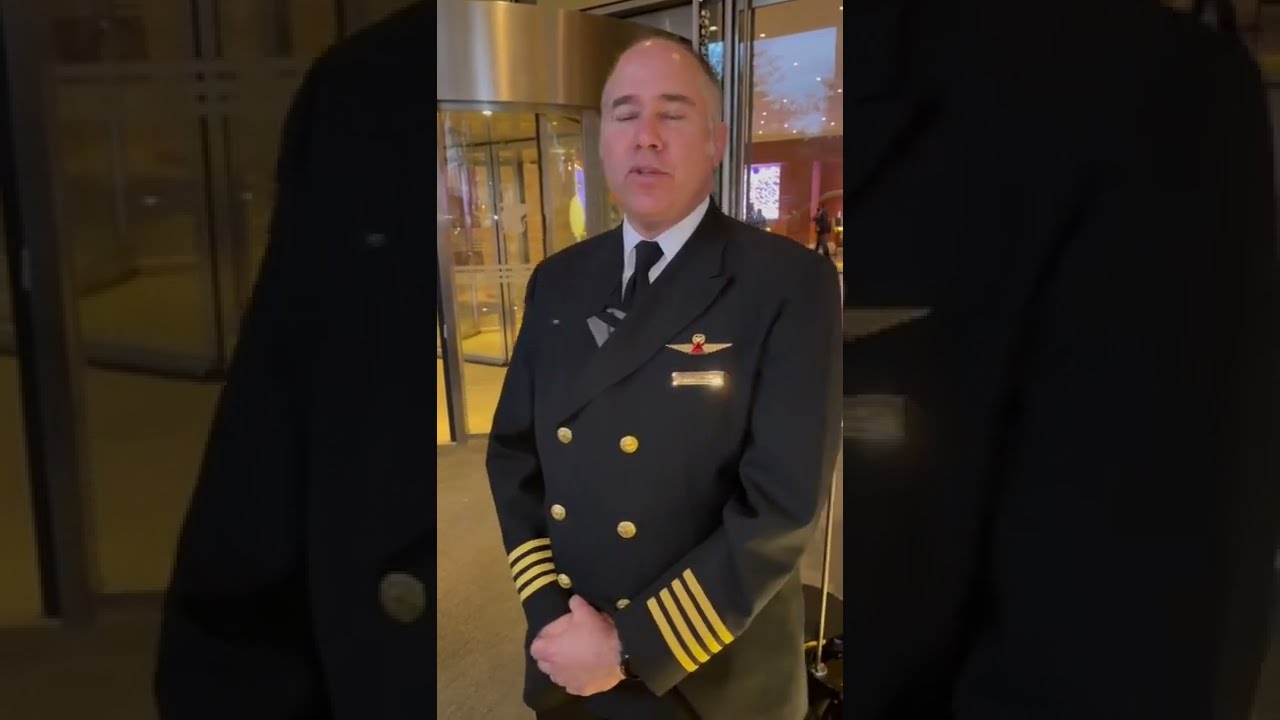
In the end, becoming a pilot is a choice to invest in a lifelong ability. It's a choice to pair inquisitiveness with discipline, to welcome uncertainty with readiness, and to come close to each flight as a challenge to resolve with care. The misconceptions will certainly always be there, tugging at the edges of your attention. However with a based plan, a helpful discovering atmosphere, and the inner solidity that comes from useful experience, you can remove the myths and keep only what works when you're in fact in the air.
Two final representations for visitors that are actively exploring flight school options
- Start with an institution that demonstrates transparent, constant outcomes throughout a cohort. Look for released progress metrics, not just glossy pamphlets. A college that talks in specifics concerning pass rates, typical trip hours, and regular cross-country times reveals a maturation that repays in real training. Build a personal training journal from day one. Track goals, trip hours, climate condition, and debrief notes. The act of tape-recording observations and end results makes you a better learner, and it gives you a tangible document to discuss with trainers as your plan evolves.
If you read this with the intention of taking the next step, you're already halfway towards ending up being the sort of pilot you intend to be. The myths are there to lure you right into hesitation or grand insolence. The truth hinges on self-displined technique, straightforward responses, and a readiness to expand in tiny increments. The cabin is a place where small, constant renovations worsen right into big, dependable capacities. That is the significance of pilot training, and it is what makes the journey worthwhile.